Exercise and your blood results: what changes and when to test
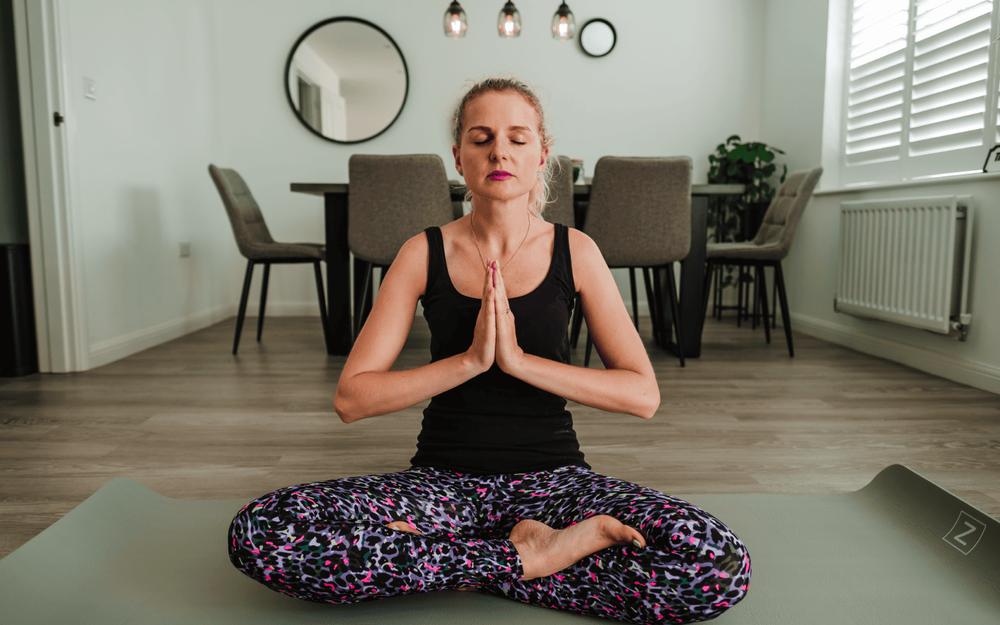
Regular exercise can improve many aspects of your health, including blood pressure, cholesterol and blood sugar. But exercise also causes temporary changes in the body, and a hard workout shortly before a blood test can affect some results.
This doesn't mean you need to stop exercising before having your blood tested. It simply means that knowing when and how you exercise can help you understand your results and prepare properly for your appointment.
Can exercise affect blood test results?
Physical activity changes how your body uses energy, responds to stress and moves blood around the body. Some of these changes are short-lived, while regular exercise can lead to longer-term changes in your health.
The effect depends on the type and intensity of exercise, how recently you exercised and which tests you're having.
Vigorous exercise shortly before a blood test can affect some blood markers, which is why Bluecrest advises following the preparation instructions provided for your particular assessment.
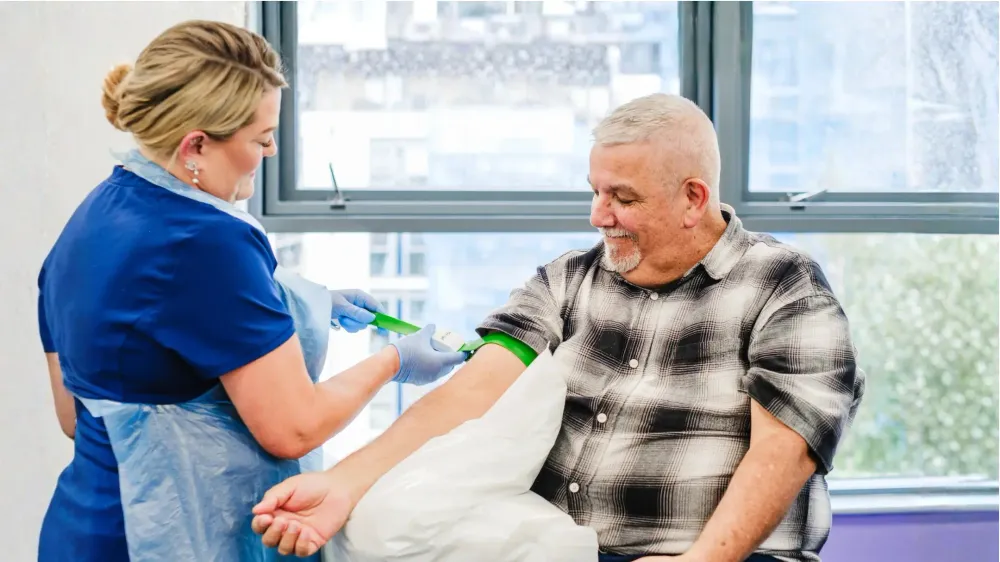
This is particularly relevant if you're having a health assessment that includes several different blood tests.
What happens to your blood pressure when you exercise?
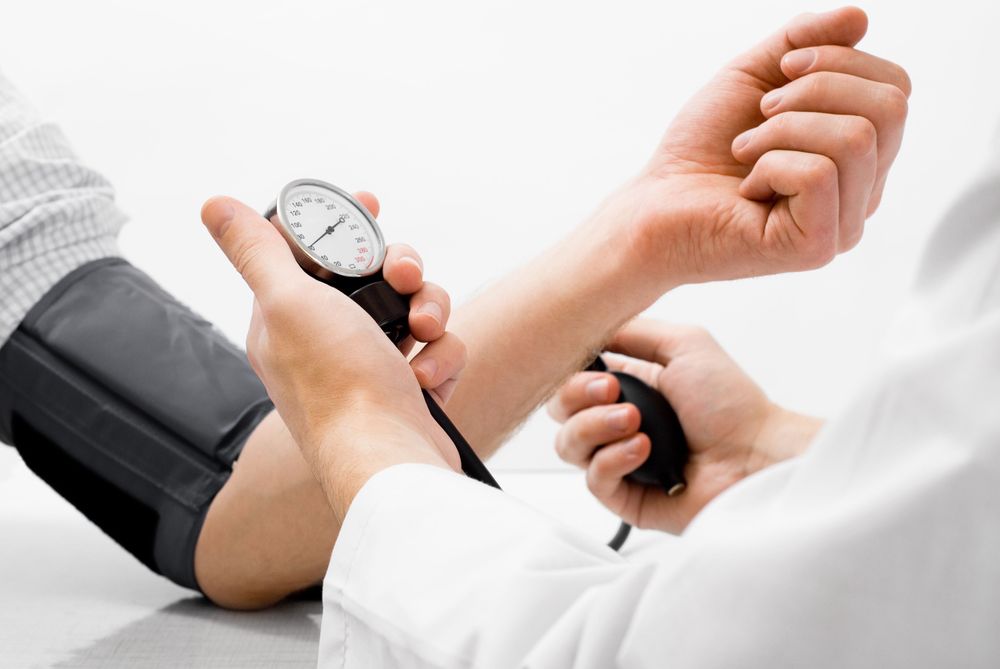
Blood pressure rises during exercise because your heart is working harder to get blood and oxygen to your muscles.
After you stop, your blood pressure gradually returns towards its usual level. It can also fall below its pre-exercise level for a period afterwards.
Regular exercise has a different, longer-term effect. Over time, being physically active can help lower resting blood pressure and reduce your risk of developing high blood pressure. The NHS recommends regular exercise as one of the lifestyle changes that can help manage blood pressure.
This means that a single blood pressure reading taken soon after exercise doesn't necessarily reflect your usual resting blood pressure.
Can exercise affect cholesterol?
Regular physical activity can have a positive effect on cholesterol levels and cardiovascular health.
However, strenuous exercise immediately before testing can also affect some blood results. For example, pathology guidance advises avoiding strenuous exercise immediately before a cholesterol test because it can influence the result.
If you're having cholesterol checked, follow the preparation instructions you've been given rather than changing your normal exercise routine for several days beforehand.
What about blood sugar?
Exercise changes the way your body uses glucose for energy. During and after physical activity, muscles take up glucose from the blood, which can affect blood sugar levels.
The effect depends on factors such as the type and duration of exercise, when you last ate and your individual health.
This is one reason it's important to follow any preparation instructions for a glucose test. If you're having a fasting blood test, make sure you follow the specific instructions provided rather than assuming that exercise is fine because you're not eating.
Can exercise affect other blood tests?
It can. Vigorous exercise can temporarily affect some blood markers, including enzymes released from muscles. Other changes can occur as your body responds to the physical demands of exercise.
The extent and duration of these changes vary depending on the person and the type of exercise. Laboratory guidance lists vigorous exercise as one of several factors that can influence some blood test results.
This doesn't mean that exercise makes blood tests unreliable. It means that your healthcare professional may need to take recent exercise into account when interpreting a result.
How long should you wait between exercise and a blood test?
The right preparation depends on the tests you're having. Some tests require fasting, while others don't. Exercise recommendations can also vary.
For example, Bluecrest advises that vigorous exercise can influence some health assessment blood results and provides preparation instructions before appointments.
If your appointment is coming up, check the instructions you've been given. If you're unsure whether you should exercise before your test, contact the provider rather than guessing.
What if I exercise every day?
You don't usually need to stop your normal exercise routine for days before a routine blood test unless you've specifically been told to do so. The important distinction is between your usual activity and an unusually hard workout immediately before testing.
If you normally go for a morning walk, for example, that is different from doing an intense gym session or long-distance run shortly before your appointment. When monitoring a health marker over time, keeping your testing conditions reasonably consistent can also make it easier to compare results.
Should you exercise before a blood pressure check?
It's best not to exercise immediately before having your resting blood pressure measured.
Because blood pressure changes during and after exercise, a reading taken straight after a workout may not represent your usual resting level.
If you're having your blood pressure checked as part of a health assessment, allow yourself time to settle before the measurement and follow the instructions provided at your appointment.
Does exercise lower blood pressure over time?
Yes. Regular physical activity can help reduce blood pressure over the longer term.
Exercise makes your heart and circulatory system work more efficiently and is one of the lifestyle measures recommended for preventing and managing high blood pressure.
You don't need to do intense workouts to benefit. Brisk walking, cycling, swimming and other moderate-intensity activities can all contribute to your weekly activity levels.
The NHS recommends that adults aim for at least 150 minutes of moderate-intensity physical activity each week, alongside muscle-strengthening activity on at least two days.
Does exercise change blood results in a good way?
In the longer term, it can. Regular physical activity is associated with improvements in several markers of health, including blood pressure and cholesterol. It can also help with weight management and blood glucose control.
But it's important to distinguish between long-term changes caused by regular exercise and short-term changes caused by exercising shortly before a test.
A blood test taken after months of regular activity may reflect the benefits of that lifestyle. A test taken immediately after an unusually hard workout may be affected by the exercise itself.
How should you prepare for a blood test if you exercise?
If you're having blood tests as part of a health assessment:
- Follow the instructions you've been given. Different tests have different preparation requirements.
- Avoid unusually strenuous exercise immediately before your appointment unless you've been told otherwise. Vigorous exercise can affect some blood markers.
- Don't change your normal routine unnecessarily. If you exercise regularly, you generally don't need to stop for several days unless your healthcare provider has advised you to.
- Check whether you need to fast. Not every blood test requires fasting, and the instructions will depend on the tests you're having.
- Tell the healthcare professional if you've exercised particularly hard. If you've just completed an intense workout or endurance event, mention it when you attend your appointment.
When is the best time to have blood tests?
For most routine blood tests, there isn't a universally 'best' time of day.
The important thing is to follow the preparation instructions for the tests you're having and, where you're monitoring results over time, try to keep the conditions reasonably similar.
If your test requires fasting, you'll be given instructions on when to stop eating and what you can drink. Bluecrest provides preparation information before health assessments so you know what to do before your appointment.
If you're unsure whether your usual exercise routine needs to change, ask before your appointment.
What if I exercised before my test?
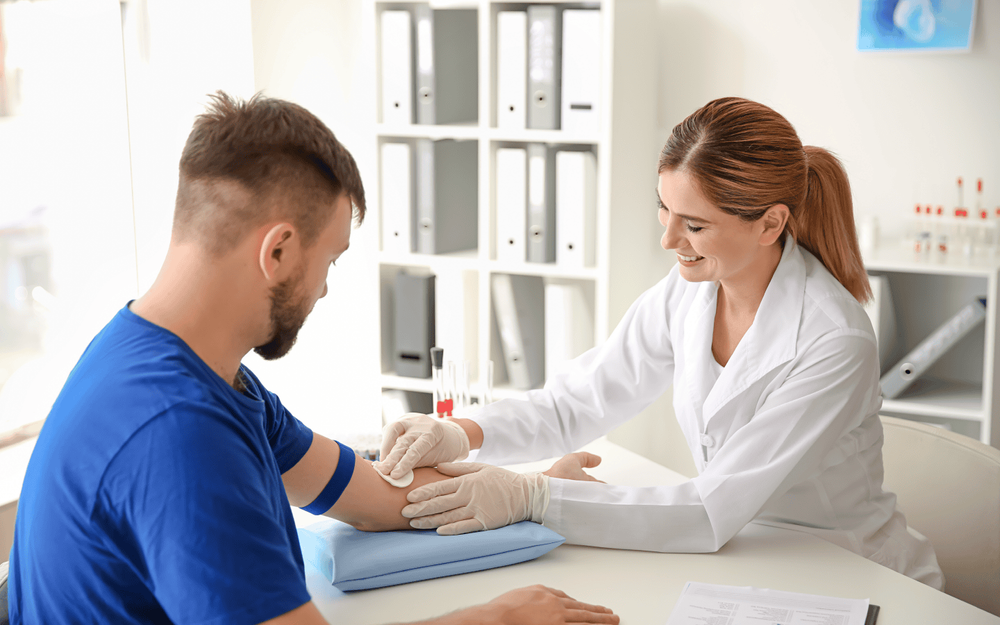
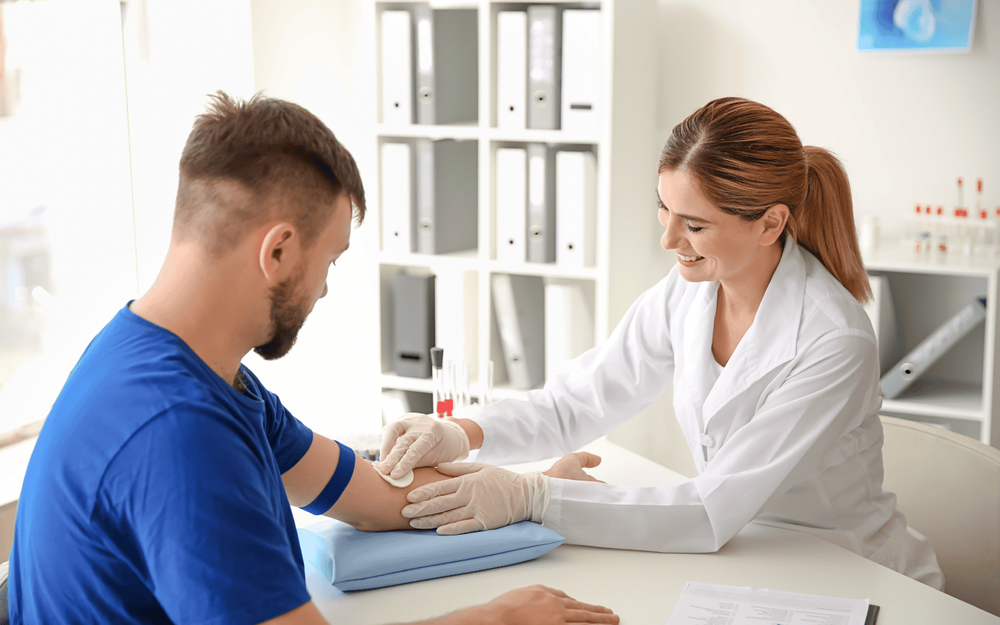
Don't automatically assume that your results are invalid. Tell the person carrying out your assessment what you did and when. They can take this information into account when considering your results and advise whether any result needs to be repeated.
A single result also needs to be considered alongside your other measurements and your wider health.
Frequently Asked Questions
Can I exercise the day before a blood test?
For many routine blood tests, you don't need to stop your usual exercise the day before. However, strenuous exercise can affect some blood markers, so follow the preparation instructions for your specific test.
Should I exercise on the morning of a blood test?
If you're having blood tests, it's best to check your preparation instructions before exercising that morning. Vigorous exercise shortly before testing can affect some results.
Does exercise affect cholesterol blood tests?
Yes. Regular exercise can support healthy cholesterol levels, while strenuous exercise immediately before testing can affect some lipid results. Follow the preparation instructions you've been given.
How does exercise affect blood glucose results?
Exercise changes how your muscles use glucose and can temporarily affect blood sugar levels. If you're having a glucose test, follow the specific instructions you've been given, including any fasting requirements.
What effect does exercise have on blood pressure?
Blood pressure rises during exercise and changes during recovery. Regular exercise can also help lower resting blood pressure over time.
Do I need to stop exercising before a health assessment?
Not usually. The important thing is to follow the preparation instructions for your assessment and avoid unusually strenuous exercise immediately beforehand if advised.
Understand your blood results with Bluecrest Wellness
Exercise is an important part of maintaining good health, but it can also cause short-term changes that are worth considering when you have blood tests.
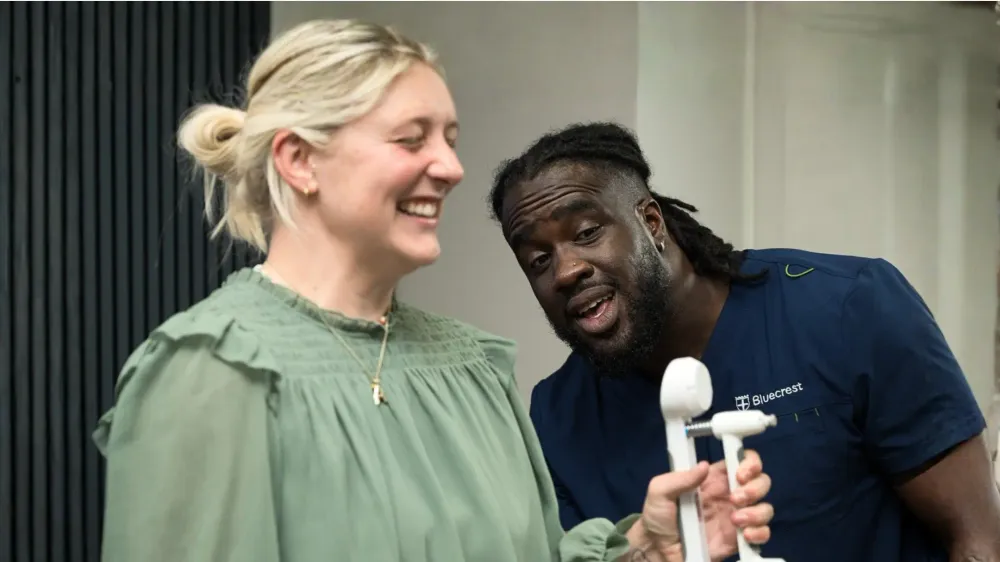
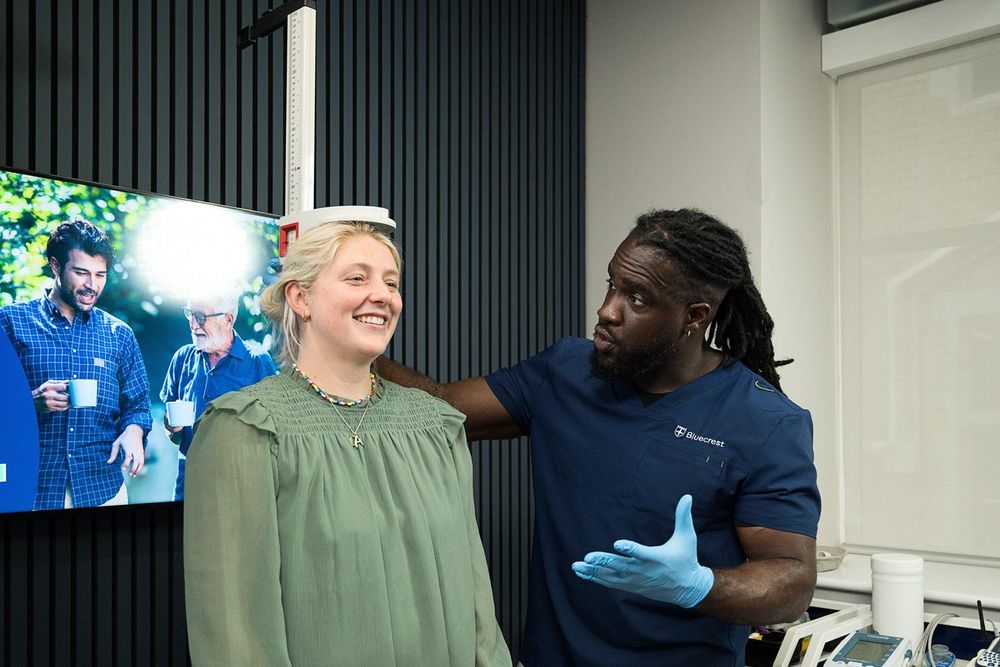
Bluecrest health assessments bring together a range of blood tests and physical measurements, with your results presented in a personalised report to help you understand what they mean.
You'll receive preparation information before your appointment so you know whether you need to fast or make any other changes beforehand.
Book a health assessment today.
Need help? Call free on 0800 652 2183 to speak to one of our team.
This article is for general health information purposes and does not constitute medical advice. If you have concerns about your health, please speak with a healthcare professional.

Dr Martin Thornton
Chief Medical Officer, Bluecrest
Graham Jones
Medical Writer