Full Body Scan vs Full Body Health Check: MRI, CT and Blood-Based Checks Compared
Should you pay for a full body scan, or could a full body health check be a better starting point? It depends on what you want to know. MRI and CT scans produce images of structures inside your body, while blood tests and other health checks measure things such as cholesterol, blood sugar and blood pressure.
Neither gives you a complete picture of your health on its own. Scans have limitations, and a blood-based check can't show you what's happening inside your organs.
This guide compares the main options, including how they work, what they can and can't tell you, the risks and typical UK costs, so you can make a more informed decision.
At a glance
- Full body MRI looks for structural changes. Extensive private scans can cost £1,500 to £3,500 or more, though cheaper options exist.
- Health checks measure risk factors such as blood pressure, cholesterol and blood sugar.
- UK and international experts don't recommend routine whole-body scanning for people without symptoms.
- Scans and health checks do different jobs. The right choice depends on your needs and health risks.
What Is a Full Body Scan?
The term full body scan can mean several different things. Before booking, it's worth checking exactly which type of test a provider offers.
Whole-body MRI
Magnetic resonance imaging (MRI) uses strong magnets and radio waves to create detailed images of structures inside the body. It doesn't use ionising radiation. Depending on the areas examined and the protocol, a scan can take around 15 minutes to an hour or longer. Whole-body screening packages vary in how much of the body they cover and whether they include a specialist review.
CT scans
Computed tomography (CT) uses X-rays to produce detailed cross-sectional images. A scan may focus on a particular area, such as the lungs, or examine several regions of the body. The purpose and coverage depend on the type of scan. CT uses ionising radiation, so the benefits and risks need to be considered for the individual and the reason for the scan.
Sensor-based body scans
Some services use the term body scan for tests that measure things such as body fat, muscle mass, skin features, heart rhythm or blood pressure. These don't necessarily produce medical images of internal organs. The technology and measurements vary between providers, so check what the service actually includes.
What Is a Full Body Health Check?
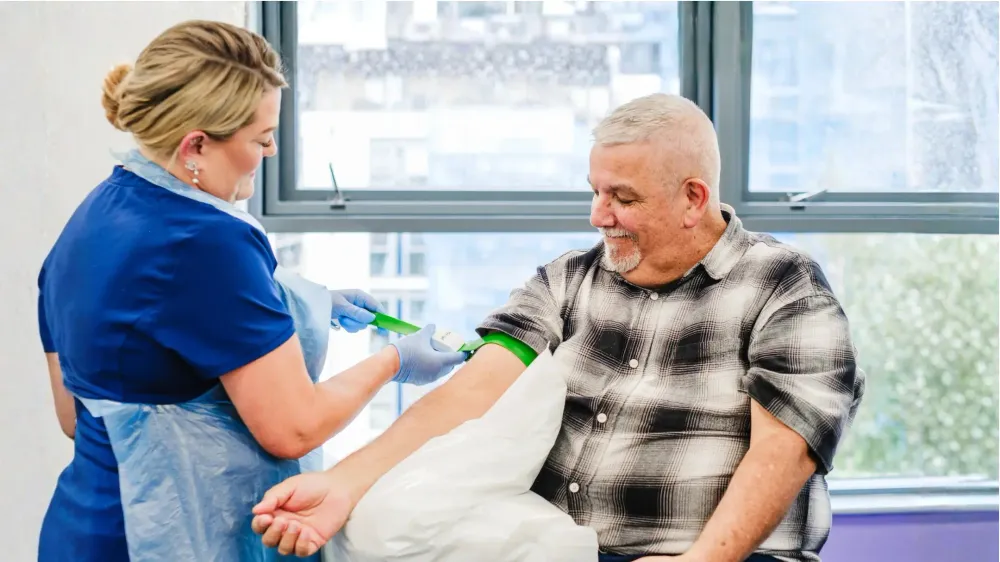
A full body health check brings together blood tests and other measurements to give you an overview of selected aspects of your health. The tests included depend on the provider and package.
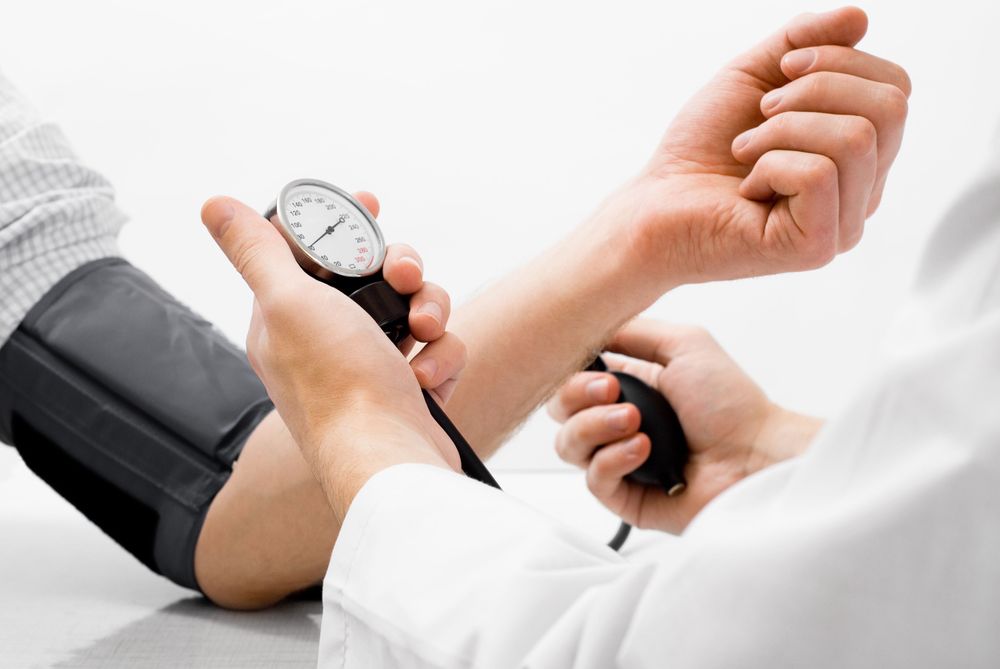
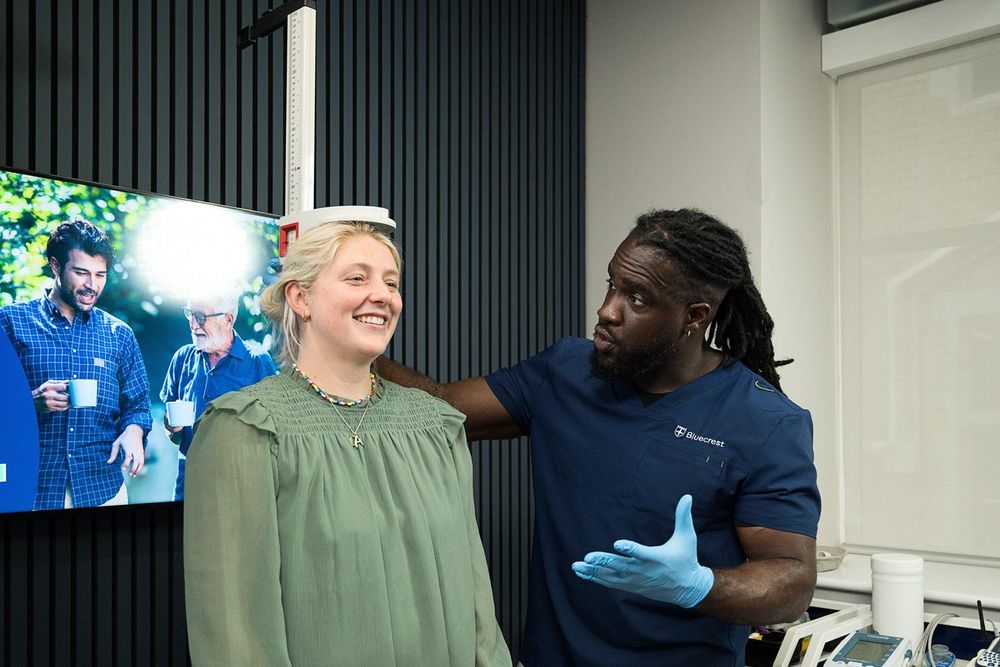
A Bluecrest Health MOT measures a range of health markers and risk factors. These include blood pressure, cholesterol, blood sugar measured through HbA1c, liver and kidney function, and other blood readings. Non-blood tests can include an ECG to record heart rhythm, a lung function check, peripheral arterial disease (PAD) testing and biometric analysis.
The results can highlight readings outside the expected range and help you decide what to discuss with your GP. A health check doesn't produce images of your organs, so it can't show the structural changes that an MRI or CT might reveal.
Bluecrest's Body Composition Scan isn't an MRI or CT scan. It uses bioelectrical impedance, passing a weak electrical signal through the body to estimate measures such as body fat, muscle mass and hydration. It doesn't create images of internal organs.
Full Body Scan vs Health Check: Side by Side
MRI, CT, sensor-based body scans and blood-based health checks measure different things. This table gives a general comparison, but the exact coverage and results depend on the specific service.
| What to compare | Whole-body MRI | CT scan | Sensor-based body scan | Blood-based health check (Bluecrest Health MOT) |
|---|---|---|---|---|
| What it looks at | Images of internal structures, with coverage depending on the protocol | X-ray images of selected areas or multiple body regions | Specific measurements such as body composition, skin features or heart rhythm, depending on the technology | Blood markers, blood pressure, heart rhythm and other physiological measurements included in the package |
| Radiation | No ionising radiation | Uses ionising radiation from X-rays | Depends on the technology; bioelectrical impedance doesn't use ionising radiation | No ionising radiation |
| Typical time | Around 15 minutes to an hour or longer, depending on the scan | Depends on the area and type of scan | Varies by test | A Bluecrest Health MOT appointment takes under 30 minutes |
| Typical UK cost | Varies by coverage and provider; some extensive packages cost £1,500 to £3,500 or more | Depends on the area scanned and whether one or several scans are included | Varies by technology; some packages cost a few hundred pounds | Active £179, Core £239 or Complete £339 at the time of writing |
| Good at | Showing structural changes in the areas imaged | Producing detailed images of the areas examined | Measuring the specific features the technology is designed to assess | Measuring selected health markers and risk factors, including cholesterol, blood sugar and blood pressure |
| Can't tell you | It can't provide a complete picture of health or measure blood pressure, cholesterol and blood sugar | It can't measure blood markers, and findings are limited to the areas and features examined | It can't provide the same internal organ images as MRI or CT | It can't show internal structures, tumours or other anatomical changes on images |
| Who it may suit | People whose clinical circumstances justify imaging, following discussion with a healthcare professional | People who need a targeted scan for a specific clinical reason | People seeking the particular measurements offered by that service | People who want an overview of selected health markers and risk factors |
MRI and CT coverage varies, and some imaging services include a consultant review while others charge separately. Bluecrest's current Health MOT prices and inclusions are listed on our Health MOTs page.
How Much Does a Full Body MRI Scan Cost in the UK?
The cost of a private full body MRI depends on how much of the body is examined and what is included. More extensive packages can cost around £1,500 to £3,500 or more, but advertised prices vary considerably. Some packages with narrower coverage start below £1,500, so compare the areas scanned rather than relying on the name of the package alone. Prices should be checked against current provider information before booking.
Several factors can affect the quote:
- Areas covered: a scan of selected regions isn't the same as one covering the whole spine and additional areas.
- Length and detail of the scan: the protocol and the images required affect the appointment.
- Reporting: check whether a radiologist's report and a consultant review are included.
- Follow-up: additional appointments, targeted scans or investigations may cost extra if something needs further assessment.
An incidental finding can mean more than an unexpected line in a report. You may need another scan, a specialist appointment or, in some cases, a biopsy. Ask who will explain the results, arrange any necessary follow-up and cover the costs before you book.
When comparing scan prices with full body health check costs, consider the tests and follow-up included in each service.
What Can a Full Body MRI Find, and What Can't It?
A whole-body MRI produces detailed images of internal structures. Depending on the scan protocol, it may show certain tumours, cysts, aneurysms or problems affecting the spine and discs.
However, it can't detect every disease or provide an all-clear for cancer. Some areas, including the gastrointestinal tract, skin, breast and cervix, have limitations in whole-body MRI screening. Small lung changes may be better assessed with CT.
MRI also doesn't measure blood pressure, cholesterol, blood sugar or liver and kidney function. It shows anatomical changes, rather than providing a complete picture of how your body functions or your future risk of conditions such as heart disease and type 2 diabetes.
What Are Incidental Findings?
Incidental findings are unexpected results that may be harmless or need further investigation.
A July 2026 report from the Radiological Society of North America (RSNA) shared early data from around 160 people who had whole-body MRI scans. About 90% had a finding, while around 30% had findings that needed follow-up. Approximately 1% of findings were malignant or suspected of malignancy. These figures come from a small group and aren't necessarily representative of everyone who has a scan.
Follow-up may involve more scans, appointments or a biopsy, as well as uncertainty while waiting for answers. It's worth considering this possibility before opting for whole-body screening.
What Do the Experts Say About Full Body MRI and CT Screening?
Professional bodies have questioned the benefits of routine whole-body scans for people without symptoms.
In the UK, the Committee on Medical Aspects of Radiation in the Environment (COMARE) raised concerns in its 2007 report about radiation exposure, false positives and unnecessary follow-up from whole-body CT screening, concluding that the evidence did not support it.
The Royal Australian and New Zealand College of Radiologists (RANZCR) and the American College of Radiology (ACR) have also said there is insufficient evidence to recommend routine whole-body MRI screening for people without symptoms.
This doesn't mean MRI or CT has no value. Both are important for investigating symptoms and specific health risks. Some people with inherited cancer risks may also be offered whole-body MRI under specialist care. The distinction is between imaging for a clinical reason and routine screening regardless of individual risk.
What a Blood-Based Health Check Can Find That a Scan Can't
A scan shows images of internal structures. A blood-based health check measures different aspects of health, including markers associated with cardiovascular and metabolic risk. This information can be useful even when you feel well, because some risk factors don't cause noticeable symptoms.
Depending on the package, a Bluecrest Health MOT includes measurements such as:
- Blood pressure: a reading that can flag high blood pressure, an important risk factor for heart disease and stroke.
- Cholesterol: blood readings that help build a picture of cardiovascular risk.
- Lipoprotein (a), or Lp(a): a type of lipoprotein that carries cholesterol associated with cardiovascular risk. Bluecrest's Complete Health MOT includes an Lp(a) blood test.
- HbA1c: a blood test that reflects average blood glucose over the previous two to three months and can flag a result that needs further attention.
- Liver and kidney function: blood markers that provide information about how these organs are working.
- Heart rhythm: an ECG records the heart's electrical activity and can flag an irregular rhythm that needs clinical review.
A scan wouldn't measure these blood markers or provide a blood pressure reading. Equally, a health check can't show a tumour or structural change on an image. The two approaches provide different information rather than interchangeable results.
A flagged result doesn't automatically mean you have a condition or need medication. It gives you information to discuss with your GP, who can consider it alongside your medical history, symptoms and other risk factors.
A Blood Marker That Made a Difference
Andy Black's results showed he had raised Lp(a), a cholesterol-related marker linked to inherited heart risk. After seeking medical advice, he was prescribed a statin. It's a good example of something an MRI scan can't tell you: Lp(a) levels can only be measured through a blood test.
Which Is Right for You?
The most useful test depends on why you're considering one.
- You have symptoms or a specific health concern. Speak to your GP rather than choosing a scan or health check at random. They'll consider your symptoms and medical history and can arrange or recommend the appropriate investigation.
- You want to understand your health markers and risk factors. A blood-based health check may be a useful starting point if you want information about cholesterol, blood sugar, blood pressure and other measurements. Choose a package based on the tests it includes and consider discussing the results with your GP.
- You have a strong family history or an inherited risk. Talk to your GP or specialist about the screening or monitoring recommended for your circumstances. A whole-body scan isn't automatically the right option for every inherited risk.
- You're a current or former smoker aged 55 to 74. You may be eligible for the NHS Lung Cancer Screening Programme, depending on where you live and other eligibility criteria. In England, eligible people may be invited for a lung health check, with a low-dose CT scan offered when appropriate. Check whether the programme is available in your area before paying privately for a lung scan.
- You're considering a private whole-body scan. Ask which areas are covered, who interprets the images, how results are explained and who arranges and pays for follow-up if something unexpected appears.
If you want an overview of selected health markers and risk factors, Bluecrest's Health MOTs offer three levels of assessment. The Complete package includes an Lp(a) test and a private GP consultation to discuss your results. It's not a substitute for imaging when imaging is clinically needed, but it may be a suitable option if your main aim is to understand your health readings.
Explore Bluecrest Health MOTs
If you'd like to understand more about selected health markers and risk factors, a Bluecrest Health MOT brings together blood tests and non-blood measurements in one appointment. The results can help you identify areas to discuss with your GP.
The Active, Core and Complete Health MOTs include different tests, so you can compare the packages and choose the assessment that best fits your needs.
Frequently Asked Questions
Is a full body MRI worth it?
It depends on your circumstances and what you want to find out. MRI can provide detailed images of internal structures, but the evidence doesn't currently support routine whole-body MRI screening for everyone without symptoms. Unexpected findings may also lead to further tests, cost and uncertainty. If you have symptoms or a specific risk, speak to your GP or specialist about the most appropriate investigation.
How much is a full body MRI in the UK?
Prices vary according to the areas scanned, the length of the examination and whether a radiologist's report or consultant review is included. Some extensive private packages cost around £1,500 to £3,500 or more, while other packages are advertised for less. Check exactly what's covered and how follow-up is handled before booking.
Does a full body MRI use radiation?
No. MRI uses strong magnets and radio waves, not ionising radiation. CT scans use X-rays. Having lots of CT scans carries a very small risk of cancer from X-ray radiation. Doctors weigh up the risks and benefits when recommending CT.
Can a blood test replace a full body scan?
No. They provide different information. Blood tests can measure markers such as cholesterol, HbA1c and liver and kidney function, while MRI and CT create images of internal structures. A health check can't show a tumour or other structural change on an image, and a scan can't measure all the blood markers included in a health assessment. The right test depends on your clinical needs.
Can a full body scan detect cancer?
An MRI or CT scan may show some cancers, depending on the type of scan, the areas examined and the characteristics of the cancer. Neither guarantees that all cancers will be found, and whole-body MRI has limitations in areas including the skin and gastrointestinal tract. A private scan doesn't replace NHS screening programmes, and blood tests have their own limitations in detecting cancer. If you have symptoms or a particular concern, speak to your GP about the appropriate next step.
Is Bluecrest's Body Composition Scan an MRI?
No. Bluecrest's Body Composition Scan uses bioelectrical impedance, sending a weak electrical signal through the body to estimate measures such as body fat, muscle mass and hydration. It doesn't use MRI or CT technology and doesn't produce images of internal organs. It's a different type of measurement included in Bluecrest's health assessment packages.

Dr Martin Thornton
Chief Medical Officer, Bluecrest
Graham Jones
Medical Writer