Night Sweats in Men and Women: Common Causes
Waking up with damp pyjamas or soaking sheets can be uncomfortable, especially when you have no idea why it's happening. Night sweats can affect both men and women, and the cause isn't always obvious.
Night sweats involve sweating heavily enough to soak your night clothes and bedding, even when your bedroom is cool. Feeling a little warm under a thick duvet is different.
Most causes are harmless. Some are worth checking. Menopause is a common reason for night sweats in women, while alcohol, anxiety, medicines and certain health conditions can affect anyone. In men, changes in testosterone levels may also play a part.
Common Causes of Night Sweats in Anyone
Night sweats can have several everyday causes. Before assuming they're a sign of an underlying condition, it's worth considering your sleeping environment, habits and any medicines you take.
A Warm Bedroom or Heavy Bedding
Your bedroom might simply be too warm. Thick duvets, synthetic nightwear and limited ventilation can all make you sweat while you sleep. If you're waking up feeling overheated, try adjusting your bedding and room temperature before looking for a medical explanation.
Alcohol
Alcohol can affect your body temperature and disrupt your sleep, making you more likely to wake up hot or sweaty. The effect may be more noticeable after heavier drinking.
Alcohol can also affect testosterone levels in men, so it may be relevant if night sweats are happening alongside changes in energy, mood or sexual function.
Anxiety and Stress
Anxiety activates the body's stress response, which can increase sweating. If you're dealing with ongoing stress, you may notice that you wake up sweaty or find it harder to settle back to sleep.
Night sweats alone don't mean you have an anxiety condition. If anxiety is affecting your sleep or daily life, speak to your GP about the support available.
Medicines
Some medicines can cause sweating as a side effect. The NHS includes certain antidepressants, steroids and painkillers among the possible causes.
If your night sweats started after beginning a new medicine or changing your dose, ask your GP or pharmacist whether it could be contributing. Don't stop taking a prescribed medicine without speaking to them first.
Excessive Sweating and Infections
Hyperhidrosis is a condition that causes more sweating than your body needs to regulate its temperature. It can affect you during the day as well as at night.
Infections can also cause sweating, particularly when you have a fever. This may happen with common illnesses, but some infections need specific treatment. Tuberculosis (TB), for example, can cause night sweats alongside a persistent cough and other symptoms.
Sometimes, no clear cause is found. If the sweating keeps happening, interrupts your sleep or concerns you, it's worth speaking to your GP.
Night Sweats in Women
For women in their 40s and 50s, perimenopause and menopause are among the most common explanations for night sweats. Changes in hormone levels can affect how the body regulates temperature, causing sudden waves of heat and sweating during the night.
These symptoms can begin before periods stop completely. Both night sweats and hot flushes can continue after menopause.
If you're experiencing other symptoms, such as changes to your periods, mood changes or disrupted sleep, menopause may be one possible explanation. There are also ways to manage menopause night sweats that may make sleeping more comfortable.
Do Women Need a Hormone Blood Test?
Not always. NICE advises that women aged 45 and over can usually be assessed for perimenopause or menopause based on their symptoms and changes to their periods, without a blood test.
Testing may be considered in some situations, including women aged 40 to 45 with possible menopause symptoms. Bluecrest's Advanced Menopause Profile measures five biomarkers, including TSH, and includes a GP consultation. It may be worth discussing if you're unsure which option is appropriate for your circumstances.
If you're considering testing, it's worth understanding what a perimenopause test can and can't confirm.
Night Sweats in Men
Night sweats in men can have the same everyday causes as they do in women, including a warm bedroom, alcohol, anxiety, medicines and infections. Hormonal changes may also be relevant, particularly if sweating happens alongside other symptoms.
Could Low Testosterone Cause Night Sweats?
Testosterone levels tend to fall gradually with age. When levels are low, some men experience symptoms such as reduced sex drive, tiredness, changes in mood or muscle strength. Excessive sweating and hot flushes can also be associated with testosterone deficiency, although night sweats on their own don't mean that your testosterone is low.
If you've noticed several changes at once, your GP can help assess the possible causes. Although hormonal changes in men are sometimes called the 'male menopause', the process is different from menopause in women.
A testosterone blood test may be one part of an assessment. Bluecrest offers two options:
- Male Testosterone Profile: measures four markers.
- Advanced Male Hormone Profile: measures nine markers and includes a GP consultation.
Both profiles need to be taken before 11am, as testosterone levels are generally highest in the morning. The results can provide information about your hormone levels, but they need to be considered alongside your symptoms and medical history.
Alcohol and Hormone Changes
Heavier drinking can contribute to night sweats and affect testosterone levels. If you've noticed a pattern between drinking and waking up sweaty, reducing your alcohol intake may help.
Men receiving hormone treatment for prostate cancer may also experience hot flushes and sweating. If this applies to you, speak to your cancer treatment team rather than booking a private health test to investigate treatment-related symptoms.
Other Causes a Blood Test Can Point To
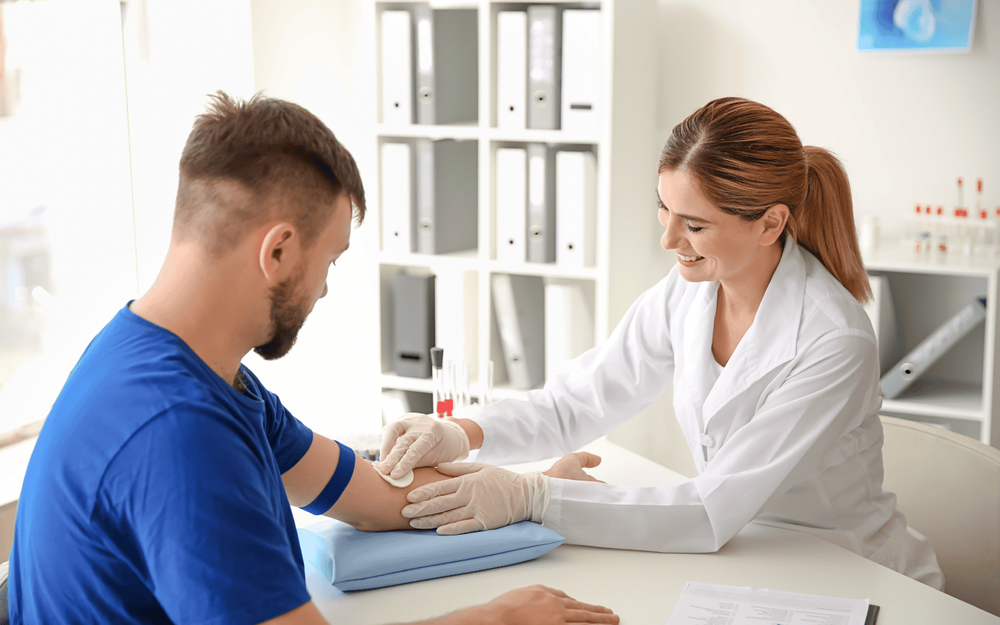
If night sweats continue without an obvious explanation, your GP may ask about other symptoms and decide whether any tests are appropriate. Blood tests can provide useful information about certain conditions, but they can't explain every case of night sweats.
Overactive Thyroid
An overactive thyroid produces more thyroid hormone than the body needs. This can speed up several bodily processes, causing symptoms such as excessive sweating, sensitivity to heat, a racing heartbeat, shakiness or unexplained weight loss. These symptoms are among the reasons a GP may consider checking for thyroid problems.
Thyroid function tests measuring thyroid-stimulating hormone (TSH) and free T4 can help assess thyroid function. These tests aren't included in Bluecrest Health MOTs, but an individual thyroid test is available as an add-on. Call 0800 652 2183 for details. TSH is also included in the Advanced Menopause Profile.
Low Blood Sugar
Low blood sugar, also called hypoglycaemia or a hypo, can cause sweating, shaking, hunger and confusion. It mainly affects people taking insulin or certain other medicines for diabetes.
If you have diabetes and suspect you're having hypos during the night, contact your GP or diabetes team for advice. A Bluecrest Health MOT isn't a substitute for investigating these episodes.
An HbA1c blood test, which is included in all three Health MOTs, measures average blood sugar over roughly the previous two to three months. It can help indicate whether blood sugar levels are higher than expected, but it cannot show whether you're having low blood sugar during the night.
Infection and Blood Cells
Some infections can cause night sweats, and the symptom can also occur with certain blood conditions. This doesn't mean that night sweats are usually a sign of something serious, but other symptoms can help your GP decide whether further investigation is needed.
A full blood count measures different types of blood cells, including white blood cells, which play a role in the immune system. The result can provide information that may help guide further assessment, but it can't diagnose an infection, tuberculosis or lymphoma.
Bluecrest includes a full blood count in its Core and Complete Health MOTs, but not its Active Health MOT. If you have night sweats alongside a persistent fever, swollen glands, unexplained weight loss or a cough that won't go away, speak to your GP rather than relying on a private blood test.
When to See a GP
Night sweats are often caused by everyday factors, but certain patterns deserve medical attention. Speak to your GP if:
- Your night sweats happen regularly, wake you up or worry you. Arrange an appointment, particularly if there's no clear explanation.
- You have night sweats with a very high temperature, a cough or diarrhoea.
- You're losing weight without trying, have a persistent fever, swollen glands or feel generally unwell.
- You have a cough lasting more than three weeks alongside night sweats.
- You have diabetes and think you're having low blood sugar during the night.
- You're receiving cancer treatment and have new or worsening hot flushes or sweating.
If you're pregnant and experiencing night sweats alongside other symptoms that concern you, contact your maternity team for guidance.
A private health check isn't a substitute for seeing your GP about symptoms.
Sleeping Cooler: Simple Things That May Help
If your night sweats seem linked to your sleeping environment or habits, a few small changes may make you more comfortable:
- Keep your bedroom cool and well-ventilated.
- Try lighter bedding or use layers you can remove easily.
- Choose breathable nightwear, such as cotton.
- Cut back on alcohol and avoid caffeine late in the day if it affects your sleep.
- Keep a glass of water beside your bed so you can have a drink when you wake up.
It may also help to note when the sweating happens and whether you've noticed other symptoms, changes to your medication or a link with alcohol. This information can be useful when discussing the problem with your GP.
If menopause may be contributing, there are additional approaches to managing menopause night sweats that could help.
What Can a Bluecrest Health Assessment Tell You?
A Bluecrest Health Assessment can give you a wider picture of certain aspects of your health, but it isn't designed to investigate night sweats or replace a GP assessment.
The right option depends on your circumstances and what you want to understand:
- For women considering hormone testing: the Advanced Menopause Profile measures five biomarkers and includes a GP consultation.
- For men considering testosterone testing: the Male Testosterone Profile, or the Advanced Male Hormone Profile, which includes a GP consultation. Both need an appointment before 11am.
- For a wider health overview: the Core Health MOT includes a full blood count and HbA1c. Thyroid testing is available separately as an add-on.
You don't need to fast before these assessments. Results are presented with red, amber or green flags to help you understand which findings may need attention. The Advanced Menopause Profile, Advanced Male Hormone Profile and Complete Health MOT include a GP consultation.
If you're experiencing persistent or unexplained night sweats, speak to your GP first. They can assess your symptoms and advise whether blood tests or other investigations are appropriate.

Dr Martin Thornton
Chief Medical Officer, Bluecrest
Graham Jones
Medical Writer